
The Tuskegee Dress Code Debate Is About More Than Bonnets
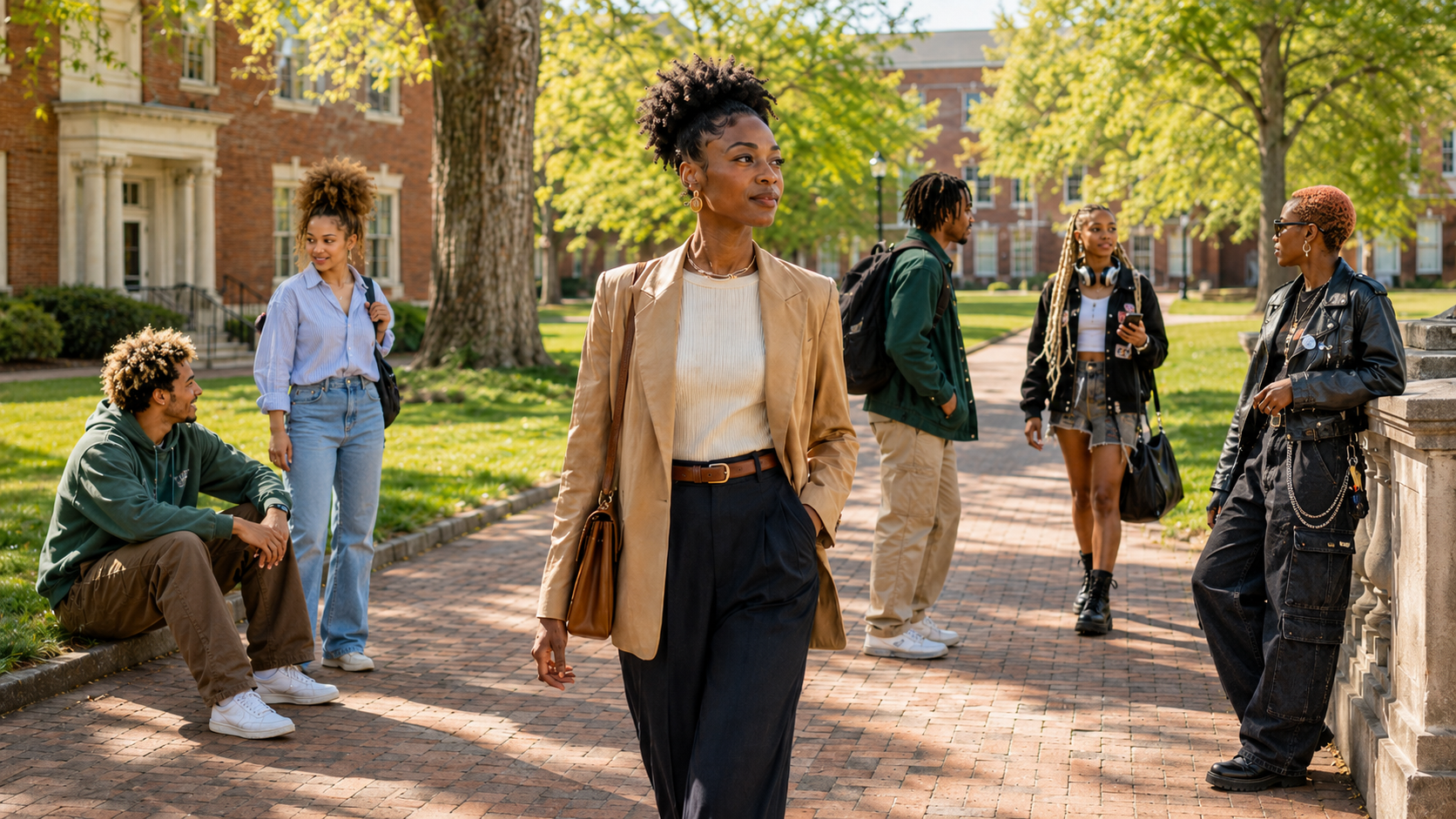
Tuskegee University recently announced updated expectations for student dress, classroom attendance, and cellphone use for the 2026–2027 academic year.
The reported dress code prohibits bonnets, durags, bedroom shoes, and revealing clothing in classrooms, dining halls, and certain official university settings. Incoming students are also expected to own a business suit and appropriate shoes for professional meetings and formal occasions.
To me, that’s all very reasonable…
The announcement quickly became part of a larger conversation about Black culture, professional dress codes, respectability politics, and conformity to white standards. Because Black people have long faced greater scrutiny over our hair, clothing, language, and behavior.
I will be the first to say that dressing well has never guaranteed fair treatment, equal access, or protection from discrimination.
“I understand that a suit is not a shield against bias, but that should not keep us from acknowledging the real influence of clothing.”
-Lauren M. Simmonds
Clothing Has Always Carried Meaning
Judges wear robes. Graduates wear academic regalia. Religious leaders wear ceremonial clothing. Political leaders make deliberate wardrobe choices when addressing the public. Weddings, funerals, court appearances, job interviews, and religious services all have visual traditions that help define the occasion...
We already understand that clothing can represent authority, responsibility, respect, identity, and belonging.
That understanding does not disappear when someone enters a classroom or workplace.
Personal style is one form of communication. Clothing can suggest preparation, creativity, judgment, authority, rebellion, or indifference. Those interpretations may be incomplete or unfair, but they still affect how people and organizations respond to us.
Young people deserve to understand that reality.
A Dress Code Should Teach Judgment
Students should never be taught that their clothing determines their intelligence, character, or human worth.
They should be taught how to read an environment and decide how they want to present themselves within it.
That includes understanding when comfort is appropriate, when greater polish is expected, and when clothing choices may distract from the purpose of the setting.
A bonnet serves an important function in Black hair care. A durag can be practical, cultural, and stylish. Those facts do not automatically make either item appropriate for every environment.
Context remains part of the decision.
The same applies to pajamas, workout clothing, formalwear, business attire, and countless other categories of dress. Clothing can be useful, meaningful, and appropriate in one setting without belonging in every setting.
A dress code alone may tell students which items are prohibited. Professional presence education should go further. It should help students understand fit, grooming, personal style, discernment, visual communication, and the relationship between appearance and opportunity.
“Compliance has limited value when people do not understand the reasoning behind the standard.”
-Lauren Simmonds
Professionalism Does Not Require Sameness
One concern about professional dress codes is that they may reinforce a narrow visual standard built around white corporate culture.
That concern is legitimate, especially when policies are vague or inconsistently enforced.
Words such as professional, polished, appropriate, and revealing can mean different things to different people. These terms can easily become tools for policing Black hair, cultural clothing, body shape, gender expression, or personal identity.
Institutions should be specific about the purpose of their standards and thoughtful about how they apply them.
Professionalism should not require everyone to wear conservative suits, muted colors, straight hair, or clothing that erases cultural identity.
Black professional style includes natural hair, braids, locs, African textiles, sharp tailoring, streetwear influences, bold color, modest dress, expressive accessories, and countless other forms of presentation. A broader definition of professional appearance can make room for all of that.
People can look prepared and credible without looking identical.
Black Women Are Creating Their Own Professional Spaces
The conversation also needs to account for the growing role of Black women entrepreneurs and business owners.
National Women’s Business Council data previously estimated that Black women owned more than 2 million businesses. Those businesses represented 14.8 percent of women-owned firms and more than half of all Black-owned businesses. More recent reporting continues to show strong business formation among Black women, even as substantial gaps in funding and revenue remain.
That level of entrepreneurship gives Black women more opportunities to shape workplace culture for ourselves.
We are no longer limited to entering institutions where other people established every rule. We are building companies, hiring employees, serving customers, and creating brands of our own.
Business ownership gives us the ability to define what professionalism looks like within those spaces.
It also requires us to define it responsibly.
Rejecting outdated standards does not mean operating without standards. It means developing expectations that reflect the work, the customer, the industry, and the organization’s values.
A financial institution may maintain a more conservative dress standard because employees handle sensitive information and significant financial decisions.
A fashion company may allow more experimentation because creativity and visual presentation are part of the service.
A hospital, law firm, restaurant, construction company, and creative agency will each have different requirements.
Those differences are reasonable when they are connected to the work. And
business owners have the right to establish reasonable professional standards. Employees also deserve standards that are clear, relevant, inclusive, and applied consistently.
Style Will Matter in an Increasingly Digital World
The workforce is changing quickly.
Artificial intelligence, automation, remote work, and digital communication are altering the way people work and the types of jobs that remain available. And as more transactions become automated, human interaction may become more valuable in the moments when it does occur.
The ability to build trust, communicate clearly, read a room, and establish a credible presence will continue to matter. And your personal style matters. It doesn’t replace knowledge, character, talent, or performance. But it can support the way those qualities are perceived and experienced by other people. And serve as an amplifier of your personhood.
Those who understand how to use every available communication tool may be better prepared to compete for opportunities, attract clients, lead teams, and build strong professional relationships.
Clothing is one of those tools.
Students can choose how much attention they want to give it. They should make that choice with a full understanding of what personal presentation can do.
We Need Better Standards and Better Education
The debate surrounding Tuskegee University should not end with a vote for or against bonnets.
The more useful discussion concerns how we prepare young people to move through different environments without losing their identity.
Institutions should examine whether their policies are specific, fair, culturally informed, and connected to meaningful outcomes.
Students should learn that professional dress is not a costume designed to make them acceptable to white institutions. It’s a form of visual decision-making.
“Every environment has its uniform. You wouldn’t send someone dressed in a clown suit to fight a fire.”
-Lauren M. Simmonds
They should know how to adjust their appearance for a classroom, interview, client meeting, presentation, ceremony, or workplace. They should also learn how to maintain their individuality within those expectations.
Black leaders, educators, and business owners have an opportunity to expand the definition of professional style. We can create standards that welcome cultural expression, originality, and different forms of beauty.
We can also expect preparation, discernment, and care.
Those ideas can exist together.
The answer to an outdated definition of professionalism is a more thoughtful definition.
That is the conversation worth having.
Thank you for reading.
Be Fearless. Stay Fashionable. Have Fun!
-Lauren
I write about personal style, professional presence, midlife women, and the decisions that shape how we are perceived at work and in business.
If you are not already on my private email list, subscribe here.
If you would like to discuss professional presence support for yourself, your team, or your organization, schedule a discovery call here.