
The Part of the Emma Grede Conversation Nobody Is Talking About
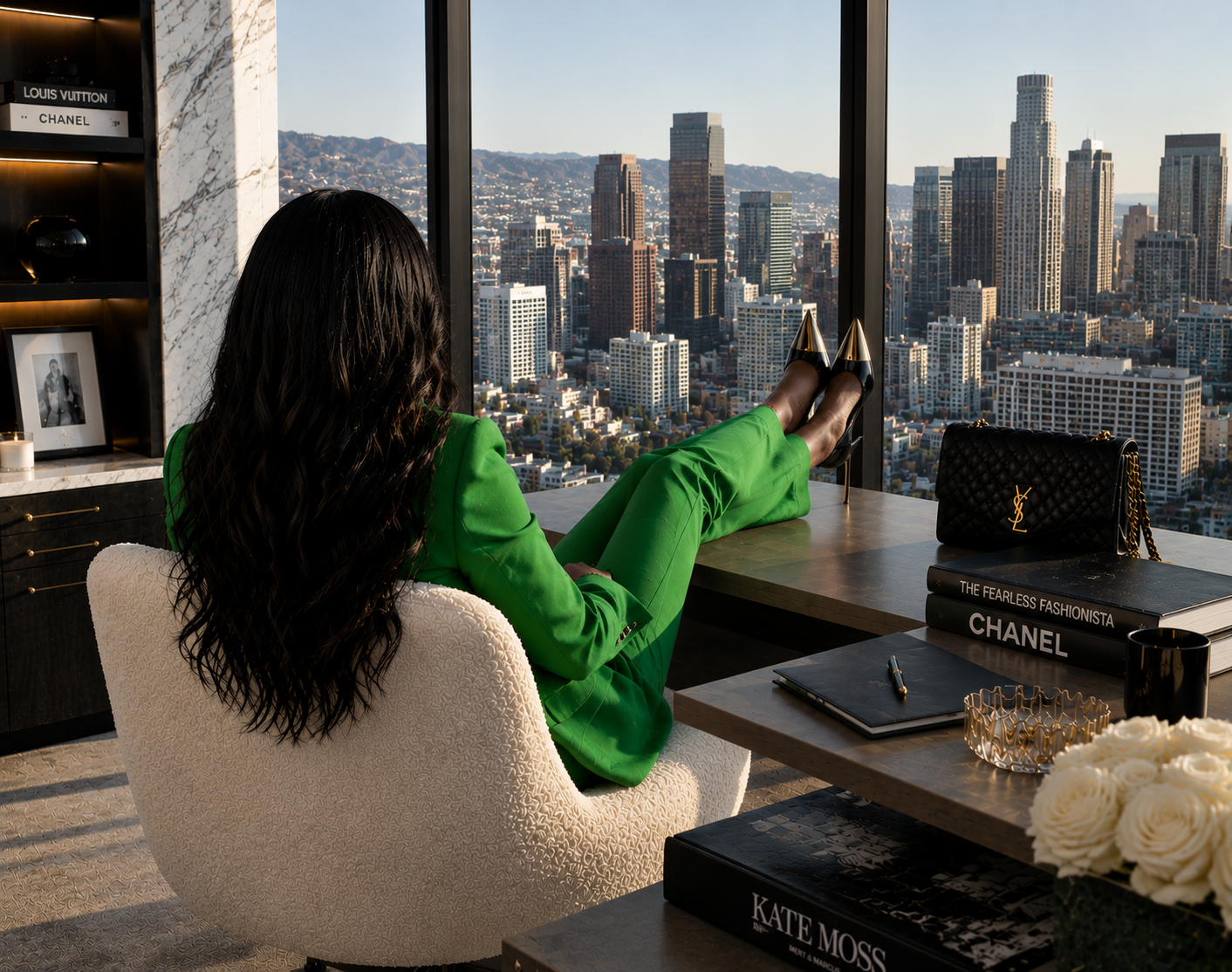
The internet has spent weeks debating Emma Grede after her recent comments about motherhood, work, and spending intentional time with children sparked intense criticism. People argued about privilege, work-life balance, wealth, parenting, ambition, and whether her perspective reflected the realities of most women.
But while everyone was dissecting what Emma Grede said, I found myself thinking about her amazing sense of personal style…
I’ve been fascinated by Grede’s style choices for years because she understands something that style is an important part of your overall presence. And many women in leadership seem to struggle with that.
And I don’t mean that in the shallow, reductive way people often talk about style online. I mean image as positioning, expression of authority, and social signaling.
The Confidence of Being Seen
Most commentary about Emma Grede’s style stays at the surface. People describe her as chic, polished, expensive, effortless, modern. And that may be true, but what rarely gets discussed is what her image is actually doing culturally. Her style reflects comfort with visibility.
A lot of women still dress as if they’re trying to manage perception defensively. They don’t want to appear too feminine, too stylish or too sexy… They’re not showing up like they’re looking to define the spaces they occupy.
Professional women are constantly navigating invisible negotiations around credibility, but Grede doesn’t appear particularly interested in participating in those negotiations. She wears tailoring, denim, oversized blazers, monochrome looks, body-conscious silhouettes, luxury basics, gold jewelry, textures, and fashion-forward pieces without looking consumed by any of it. In fact, she looks like she’s having fun with it…
The Old Rules of Visual Restraint
For decades, executive presence for women was built around visual restraint. The message was if women wanted to be taken seriously, we needed to neutralize parts of ourselves visually. Serious women were expected to look controlled, understated, almost disconnected from glamour or overt femininity.
You can still see remnants of that mindset today. There’s still a tendency to associate intelligence with plainness and authority with austerity. Women who visibly enjoy fashion are often treated as though they must be compensating for a lack of substance.
Emma Grede does not present herself as someone who succeeded despite her femininity, beauty consciousness, or interest in style. She presents herself as someone who never believed those things needed to be separated from power in the first place.
Women like Bozoma Saint John, Mellody Hobson, and Sara Blakely all have very different aesthetics, but they share an understanding that visual identity matters. And for women, it matters even more because style influences perception long before competence can fully reveal itself.
Why This Still Makes People Uncomfortable
As a society, we prefer to pretend presentation is superficial, but presentation has always shaped authority. Politicians understand this. Luxury brands understand this. Media personalities understand this. CEOs understand this.
The difference is that women are often criticized for understanding it too openly.
Many women of previous generations were taught that visibility itself was dangerous. Attractive women learned to tone themselves down professionally and stylish women learned to avoid looking “too fashionable.”
But at its highest level, style reflects identity, self-perception, confidence, and a person’s comfort with occupying space visibly and unapologetically. More women are beginning to realize that style is not frivolous. It’s a language. And Emma Grede seems to understand exactly how to use it.
The question is whether your image is reinforcing the woman you’ve become or is it keeping you visually attached to an older version of yourself?
If your wardrobe no longer reflects the level of confidence, authority, or visibility you’re stepping into, my Style Reset was designed for exactly this season of life.
Together, we’ll refine what’s working, identify what’s no longer aligned, and develop a more intentional approach to personal style that feels elevated, authentic, and fully integrated with who you are becoming.
To learn more, click here.
I’d love to help support your next chapter.
Thank you for reading,
-Lauren